The
Under
STORY
Stories of resilience and resistance from around the world.
About
One missed plane or revoked visa and Mohsin Mohi-Ud-Din’s life would look completely different. His father immigrated to the U.S. from the embattled region of Kashmir. Throughout his childhood, Mohsin returned to Kashmir during the height of war in the 1990’s surviving bullets and bomb blasts. Years later, Mohsin discovered storytelling practices to heal and reclaim agency of his health and human rights. In surviving his story, he also bears witness to the stories untold of his community, stories of resilience and resistance.
For over 15 years, he has traveled to Syrian refugee camps in the Middle East, migrant shelters in Central America and juvenile detention centers in the United States, to architect spaces of creative expression and narrative change. In doing so, Mohsin witnesses something extraordinary. In each seemingly forgotten place there are artists, medicine men, activists, and storytellers who refuse to be invisible. These voices are fighting for the light.
Follow Mohsin to these sacred spaces of the compassionate unseen, and discover how stories and words can be medicine for healing, perspective taking, and positive change. Hear first-hand how forgotten people and places are placing curiosity above fear, and upholding perspectives above conclusions to remodel the world.

Support
The Understory
The Understory is in the early stages of production. Become a founding supporter by donating to the project. We will use the donation to produce stories from around the world and right here in the United States. Funding also supports our initiative to teach storytelling and podcasting skills as part of #MeWeIntl’s community storytelling spaces across the world.
We are also seeking production partners. If this podcast resonates with your slate of audio projects, we’d love to connect and learn more: contact@meweintl.org
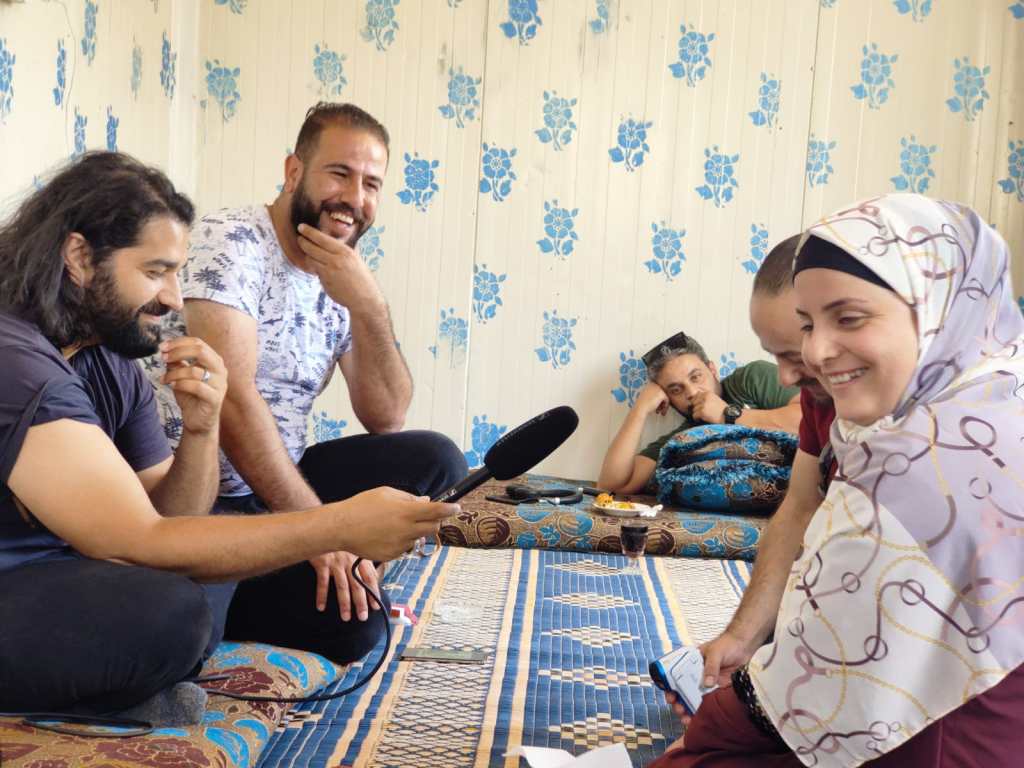
On location in El Progreso Honduras recording ‘The Understory’ with Honduran youth leaders Astrid and Carol.
HOST
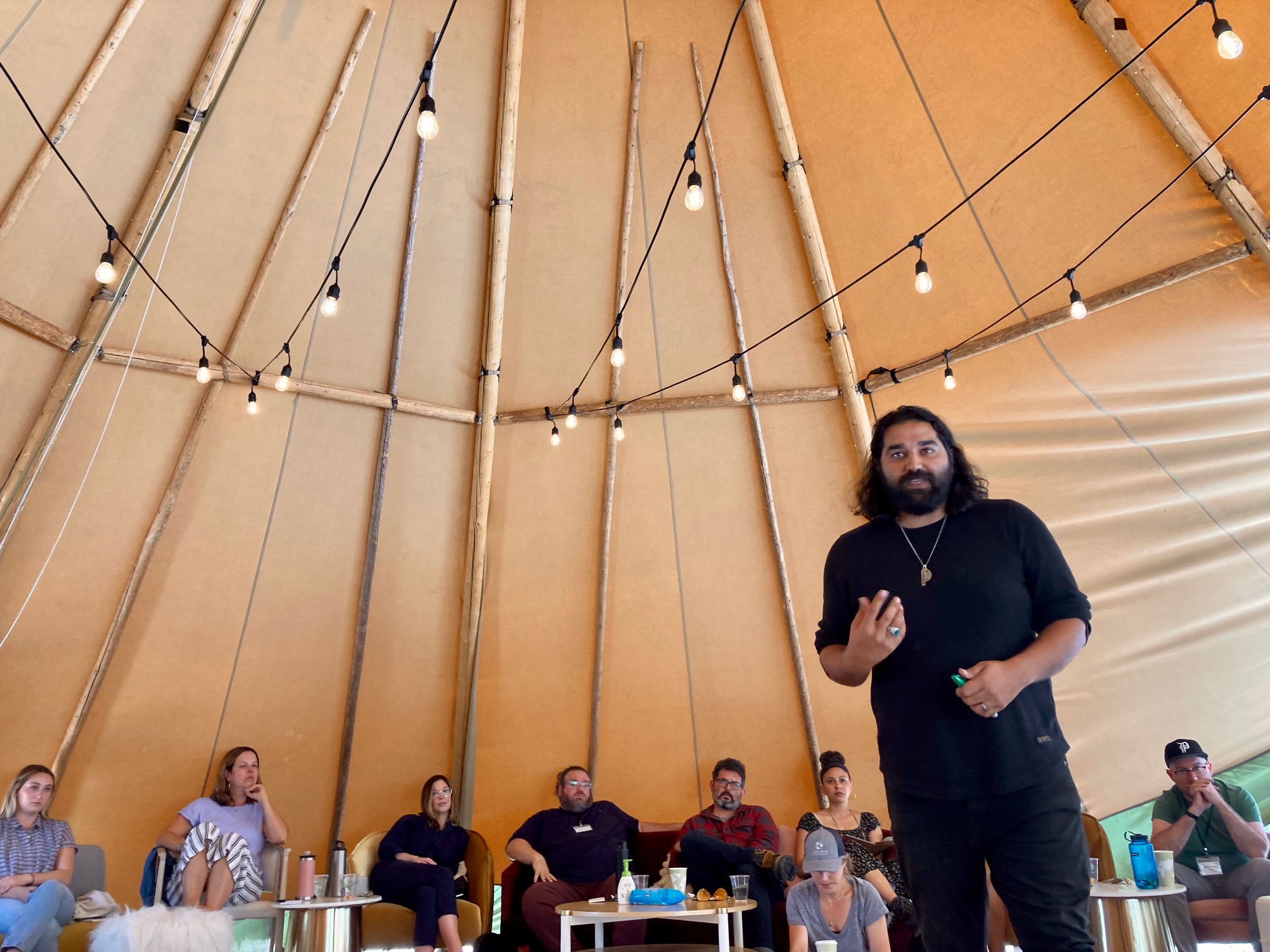
Mohsin Mohi-Ud-Din is an artist, activist, and founder of #MeWe International Inc. (#MeWeIntl), a global non-profit that builds communications and storytelling interventions for psychological wellbeing, leadership development, and community engagement.
His work has received honors from SOLVE MIT and Open Ideo. Mohsin’s innovative work has reached thousands of people across more than 12 countries, beginning with his Fulbright Scholarship in 2010.
He has been a featured speaker at the World Economic Forum, United Nations, MIT, TEDx, and his work on #MeWeSyria has been published on UNHCR Innovation, VICE, and Al Jazeera.
EXECUTIVE PRODUCER
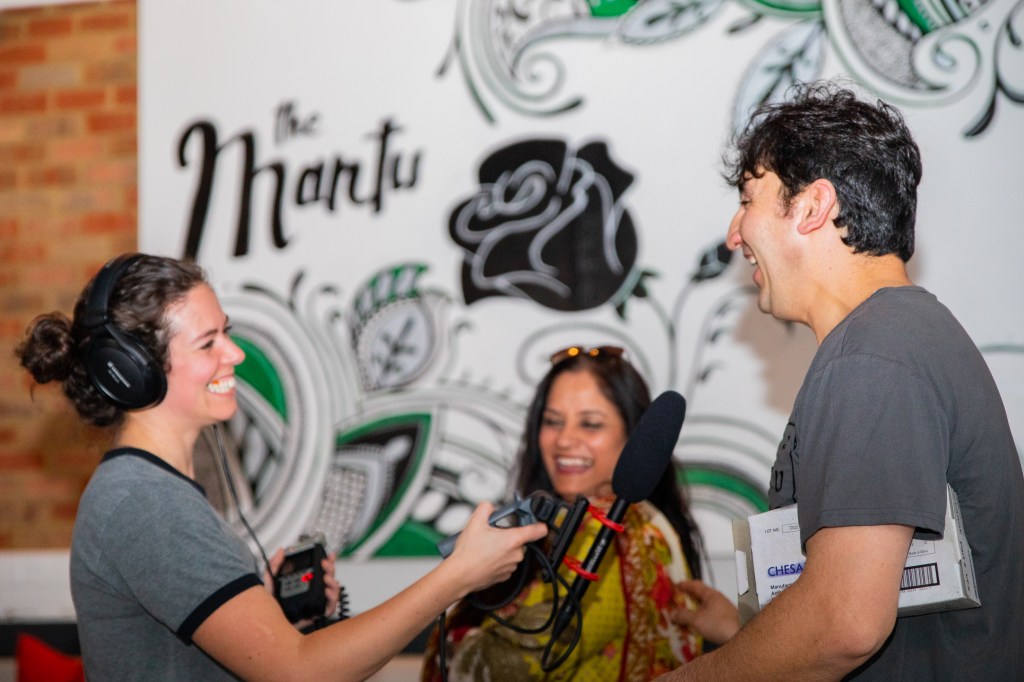
Angela Massino has a decade of experience in production with seven years in public media at the local PBS & NPR station in Richmond, Virginia. In 2018, Angela partnered with an Afghan journalist to pitch a podcast concept to NPR. The pitch was selected for the NPR Story Lab workshop, which laid the groundwork for Resettled.
The podcast was launched in 2020 and explored the refugee resettlement process through the eyes of those experiencing it.
Angela is collaborating with Mohsin to launch The Understory and bring much needed attention to underrepresented stories from around the globe.
Contact Angela at massino.am@gmail.com
EPISODES
This narrative podcast explores “the understory” of underrepresented communities from around the world. In each episode, we follow the award winning artist and activist Mohsin Mohi Ud Din, and meet extraordinary people using storytelling and narratives to reclaim their health and human rights despite the inequality and injustice surrounding them. Some episodes will be sound rich with field audio and scenic events, while other episodes will be edited interviews with Mohsin exploring an individual’s understory compared to the dominant overstory society tells about them and their community. Mohsin has access to these dynamic storytellers through the community storytelling work he does around the world with #MeWe International. Follow him as we explore stories of resilience, changemaking and joy from people who refuse to be invisible.
While the podcast is still in the early stages, the following episodes are already in production in locations from the Middle East, Latin America, and the United States.
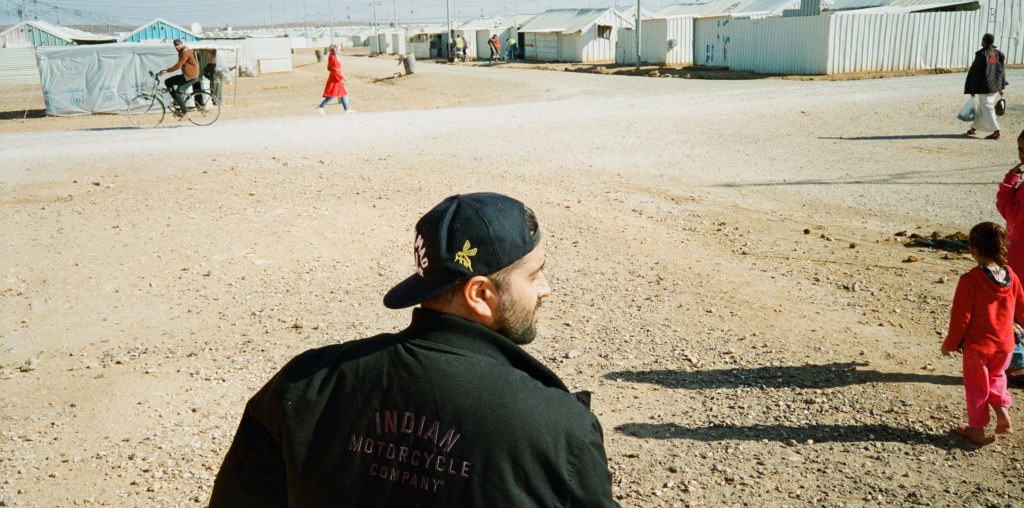
Za’atari Refugee Camp, Jordan | Fatimah
For most of her childhood, Fatimah has grown up in the largest Syrian refugee camp in the world surrounded by nothing but rocks, sand, and barbed wire. To resist the walls and harsh desert sun, she’s invented a daily storytelling practice to internally talk to her dreams, and keep her hopes alive. In that space, she breathes in the smell of trees and touches the ocean. On a recent visit to Za’atari, Mohsin brings her to these places, but there’s one problem, with her dream right in front of her, Fatimah is frozen. Will this young woman stand with the trees and touch the sea? What does it mean to realize your dream? How will this change her when she goes back to the monotone colors and cement barriers of the refugee camp in the desert?
Episodes from Za’atari refugee camp will also include interviews from mothers, artists, and elders who are excavating hope, and demonstrating the best of humanity in their resilience and creativity. These Syrian survivors are refusing to let the failures of the world and the restrictions of space define their stories. Listeners will walk away inspired and equipped with ideas and tools for their own self care, wellbeing, and resilience.
Honduras x México
At one point in time, Honduras was known as the murder capital of the world, and San Pedro Sula was among the most dangerous cities. The overstories of Honduras and Mexico are dominated by cartel violence and migrant caravans seeking safety and opportunity in the United States. Faced with a lack of economic opportunities and political corruption, young people and parents are making the tough decision to traverse jungles and hop trains for the chance at a safer life in America. But what about those who are choosing to stay? Follow Mohsin as we meet activists standing-up for their future despite the state of the world trying to break them down.
We also hear from those who do decide to leave. Mohsin will take us further north, to Mexico, to meet a car mechanic who has turned his garage into a makeshift shelter for families migrating from El Salvador and Honduras to the United States. We will hear from fathers and mothers who are in the middle of their migration journey, and who are risking it all for security, opportunity, and health. The episodes from Latin America will challenge the conclusion-hungry stories on migration, and will instead invite the listener to take in expanded perspectives from the stories untold, as expressed directly from the youth resisting migration, and those mothers and fathers risking everything to migrate.
Mandan, Hidatsa, Arikara Nation | Jasper
For Jasper Youngbear, storytelling is more than a form of entertainment, it’s among the oldest forms of indigneous medicine. When he was in high school, Jasper was told the stories he grew-up hearing on the reservation were wrong. As an Arikara Indian, he was taught another form of “American history,” one that centered white men and erased his people. He continued to listen to his elders and learned the ancient practices of a medicine man. How can stories heal a community? How does telling stories shift the power dynamic? Mohsin and Jasper talk about the healing power of storytelling, from the perspective of ancient indigneous healing practices which are used to this day.
This is an example of our interview based episodes, where Mohsin guides the conversation and adds additional context through narration.
Proudly powered by WordPress
 podcast by #MeWeINTL